


In today’s fast-paced business world, making sound decisions quickly is paramount for survival and expansion. Organizations generate vast amounts of data daily, ranging from sales figures and customer interactions to operational metrics and market trends. Without proper mechanisms to process and interpret this information, businesses risk falling behind competitors, misallocating resources, and missing crucial opportunities. This is where specialized software as a service (SaaS) applications designed for decision support become invaluable, serving as powerful catalysts for growth by distilling complexity into actionable insights.
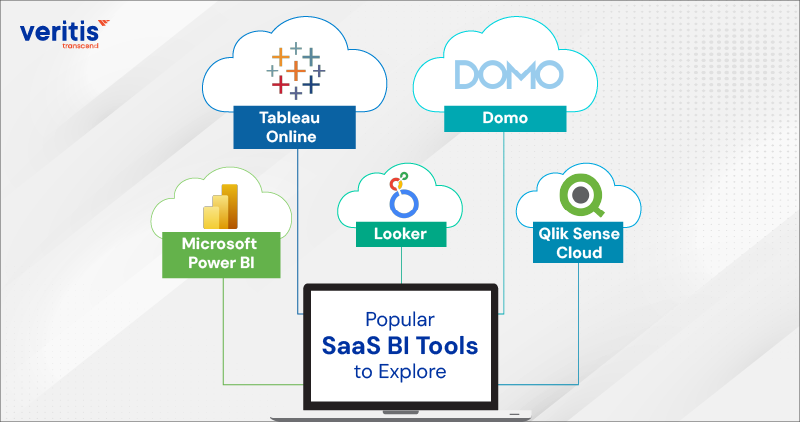
Overview
- SaaS decision tools centralize and analyze disparate data sources, offering a unified view of business performance.
- They automate reporting and provide real-time dashboards, significantly speeding up the decision-making process.
- These tools help optimize resource allocation, ensuring investments in areas with the highest potential return.
- By identifying market trends and predicting outcomes, they enable businesses to adapt quickly and maintain a competitive edge.
- They facilitate a deeper understanding of customer behavior, leading to more personalized strategies and improved customer retention.
- Implementing these tools supports a data-driven culture, moving businesses away from intuition-based choices to evidence-backed strategies.
- Many of these platforms are scalable and flexible, making them accessible and beneficial for businesses of all sizes, including small and medium enterprises across the US.
Streamlining Data Analysis with SaaS Decision Tools
One of the primary ways SaaS decision tools aid business growth is by simplifying and accelerating data analysis. Traditional methods of data collection and interpretation often involve manual processes, disparate spreadsheets, and time-consuming report generation. This fragmented approach can lead to inconsistencies, delays, and a lack of real-time visibility, hindering a company’s ability to react promptly to market shifts or operational issues. Modern SaaS solutions aggregate data from various sources—CRM, ERP, marketing platforms, finance software—into a single, cohesive platform. They present this information through intuitive dashboards and automated reports, offering stakeholders a clear, up-to-the-minute picture of key performance indicators (KPIs). For instance, a sales manager can quickly review regional performance, identify top-selling products, and understand conversion rates without waiting for weekly reports. This immediate access to accurate data allows for quicker identification of problems and opportunities, reducing the lag time between observation and action. The clarity provided by these tools means less time spent compiling data and more time spent acting on insights, directly contributing to operational efficiency and strategic agility.
Improving Resource Allocation through SaaS Decision Tools
Effective resource allocation is critical for sustainable business growth, and SaaS decision tools play a pivotal role in optimizing this process. Businesses constantly face the challenge of distributing limited resources—be it capital, personnel, or time—across various projects, departments, and initiatives. Without objective data, these decisions can be based on gut feelings, historical precedents, or political considerations, leading to suboptimal outcomes. SaaS platforms help by providing data-backed insights into where resources are currently being spent and what return on investment (ROI) those expenditures are generating. For example, marketing teams can use these tools to analyze campaign performance across different channels, allowing them to shift budget towards the most effective strategies and avoid wasting money on underperforming ads. Project managers can monitor team workload and project progress in real-time, enabling them to reallocate personnel to avoid bottlenecks or accelerate critical tasks. This data-driven approach to resource management ensures that every dollar and every hour spent is aligned with strategic objectives, maximizing productivity and minimizing waste. Businesses in the US, facing intense competition, find such optimization crucial for maintaining profitability and expanding their market share.
Fostering Agility and Innovation with SaaS Decision Tools
In a dynamic marketplace, the ability to be agile and foster innovation is a significant differentiator. SaaS decision tools provide the analytical horsepower needed to achieve both. These platforms often incorporate predictive analytics and machine learning capabilities, allowing businesses to not only understand past performance but also forecast future trends and potential outcomes. By analyzing historical data and external market indicators, companies can anticipate shifts in customer demand, competitive actions, or economic changes. This foresight enables proactive strategy adjustments rather than reactive responses. For instance, a retail business might use these tools to predict inventory needs for upcoming seasons, preventing stockouts or overstocking. Furthermore, by providing clear data on what is working and what is not, these tools encourage a culture of continuous experimentation and improvement. Teams can quickly test new ideas, measure their impact, and iterate based on evidence, rather than relying on guesswork. This iterative process, supported by robust data from SaaS decision tools, accelerates innovation cycles, helping companies launch new products, services, or business models with greater confidence and a higher probability of success.
Driving Customer-Centric Strategies using SaaS Decision Tools
Ultimately, business growth is tied to understanding and serving customers better. SaaS decision tools are instrumental in helping companies build and execute genuinely customer-centric strategies. These platforms collect and synthesize customer data from every touchpoint – sales interactions, support tickets, website behavior, social media engagement, and more. By analyzing this wealth of information, businesses can gain deep insights into customer preferences, pain points, purchasing patterns, and overall sentiment. This understanding allows for highly targeted marketing campaigns, personalized product recommendations, and improved customer service experiences. For example, a subscription service can use these tools to identify customers at risk of churn, then deploy specific engagement strategies to retain them. Conversely, they can identify segments of satisfied customers ripe for upsell or cross-sell opportunities. The ability to segment customers accurately and understand their journey allows businesses to tailor their offerings and communications, building stronger relationships and fostering loyalty. This direct impact on customer satisfaction and retention translates directly into sustained revenue growth and a stronger market presence, demonstrating the integral role of SaaS decision tools in modern business.